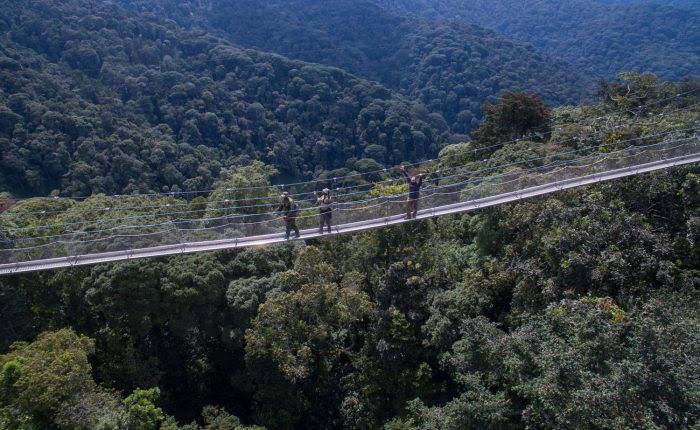
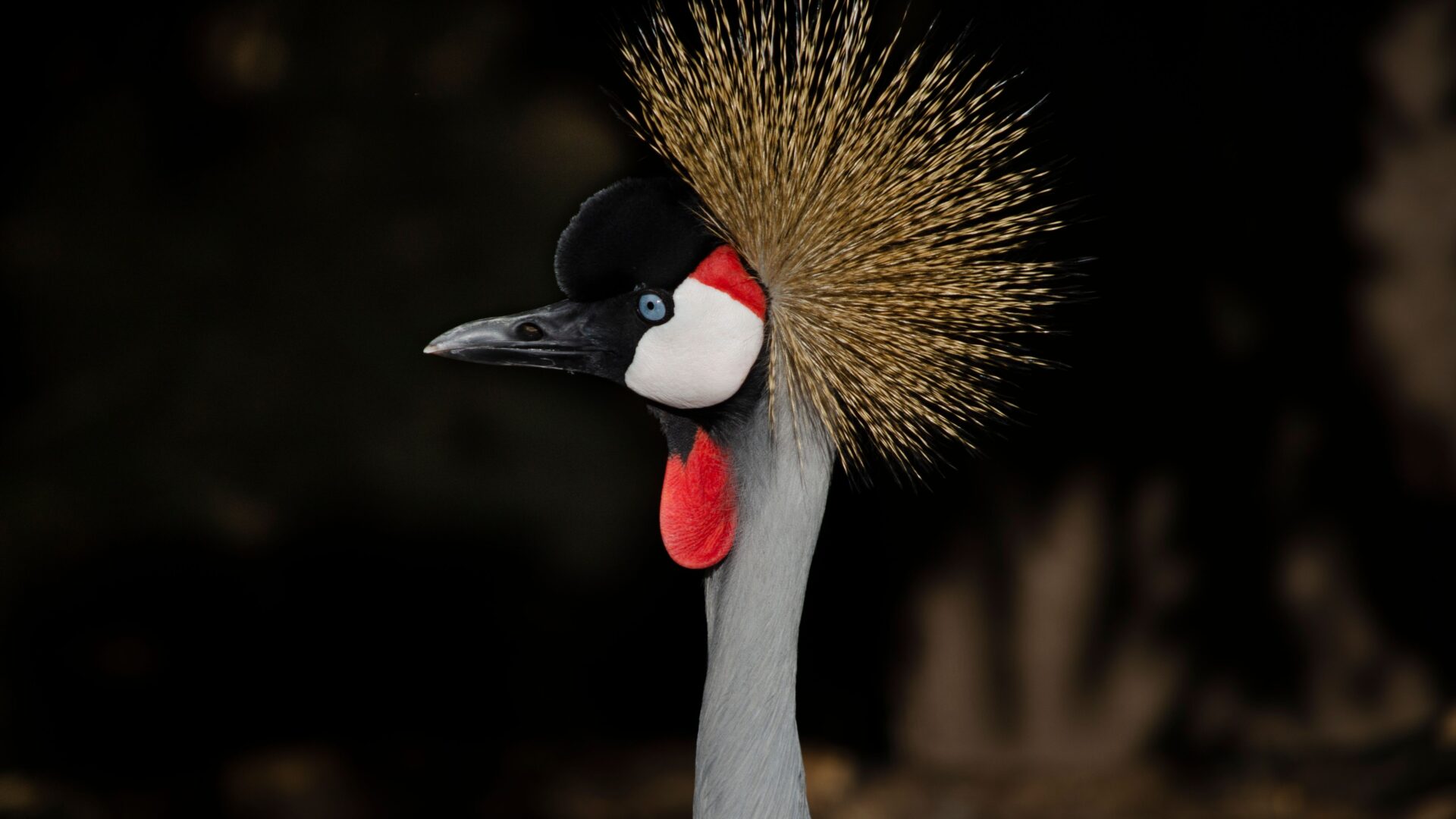
Best National Parks to Visit in Uganda: The Top 10 Ranked by Experience
The best national parks to visit in Uganda are the ones that put you face to face with wildlife you will remember for the rest of your life. Imagine sitting a few metres from a silverback gorilla in a misty rainforest, watching tree climbing lions doze in a fig tree, cruising beneath a waterfall where the Nile squeezes through a gap seven metres wide, or tracking chimpanzees through the canopy at dawn.
Uganda packs all of this, and much more, into a country roughly the size of the United Kingdom, which is why so many experienced travellers call it the pearl of Africa.
Choosing the best national parks to visit in Uganda from a list of ten is not easy, and it is easy to waste money on the wrong ones. This guide ranks the best national parks to visit in Uganda by what each does best, from gorillas and chimpanzees to big game, birds and hiking.
You will learn what makes every park special, how much time it deserves, when to go, how the parks combine into a route and which ones to prioritise if you only have a week. At Afoyo African Safaris we design Uganda journeys every month of the year, so this ranking comes from real itineraries and real guest feedback, not guesswork.
The Best National Parks to Visit in Uganda at a Glance
Uganda has ten national parks, all managed by the Uganda Wildlife Authority. They fall into three broad groups. The forest and mountain parks, Bwindi, Mgahinga, Kibale, Semuliki, Rwenzori and Mount Elgon, are famous for primates, birds and hiking.
The savannah parks, Murchison Falls, Queen Elizabeth, Lake Mburo and Kidepo, are the places for game drives, boat cruises and big cats. Together they offer a range of experiences that few other African countries can match in such a compact area.
If you are planning your first trip, the golden rule is to choose one forest park for primates and one or two savannah parks for classic wildlife, then add a lake or a cultural stop to rest between long drives. The ranking below will help you decide which ones deserve a place on your route.
1. Bwindi Impenetrable National Park: Best for Gorilla Trekking
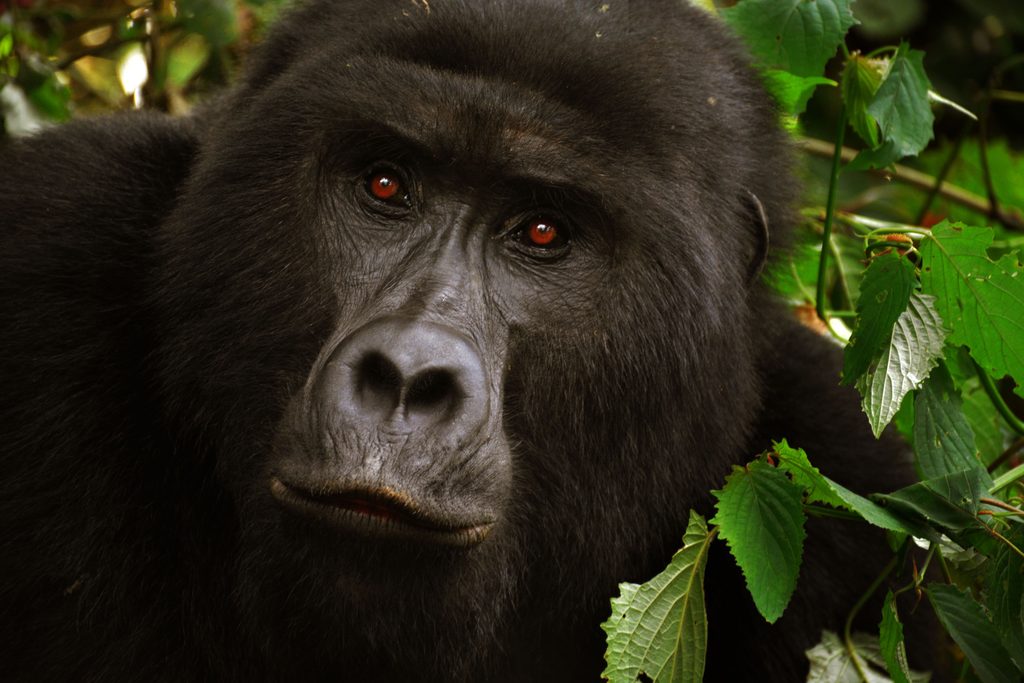
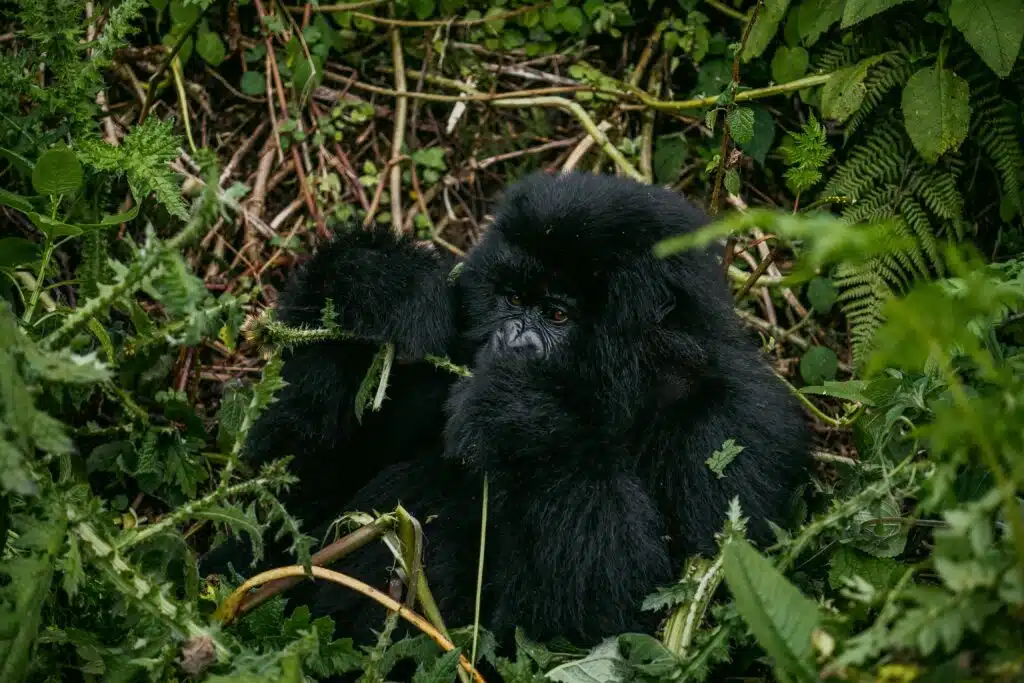
If you can only visit one park in Uganda, make it Bwindi Impenetrable National Park. This ancient rainforest in the south west is a World Heritage Site and shelters a little over forty percent of the world’s mountain gorillas. Trekking here means hiking into steep, misty forest with armed rangers, finding a habituated gorilla family and spending one unforgettable hour in their company.
Bwindi has four trekking sectors, Buhoma, Ruhija, Rushaga and Nkuringo, and around twenty habituated families, so permits are easier to find than in Rwanda.
A standard permit costs 800 dollars for foreign non-residents, or 600 dollars in April, May and November, and the gorilla habituation experience lets you spend up to four hours with a family in the Rushaga sector. You can read the full details in our guide to Bwindi Impenetrable National Park, and learn about permits in our guide to the Uganda gorilla trekking permit. Plan at least two nights, and book early, because permits for the dry months can sell out six to twelve months ahead.
2. Murchison Falls National Park: Best for a Classic Safari and a Waterfall
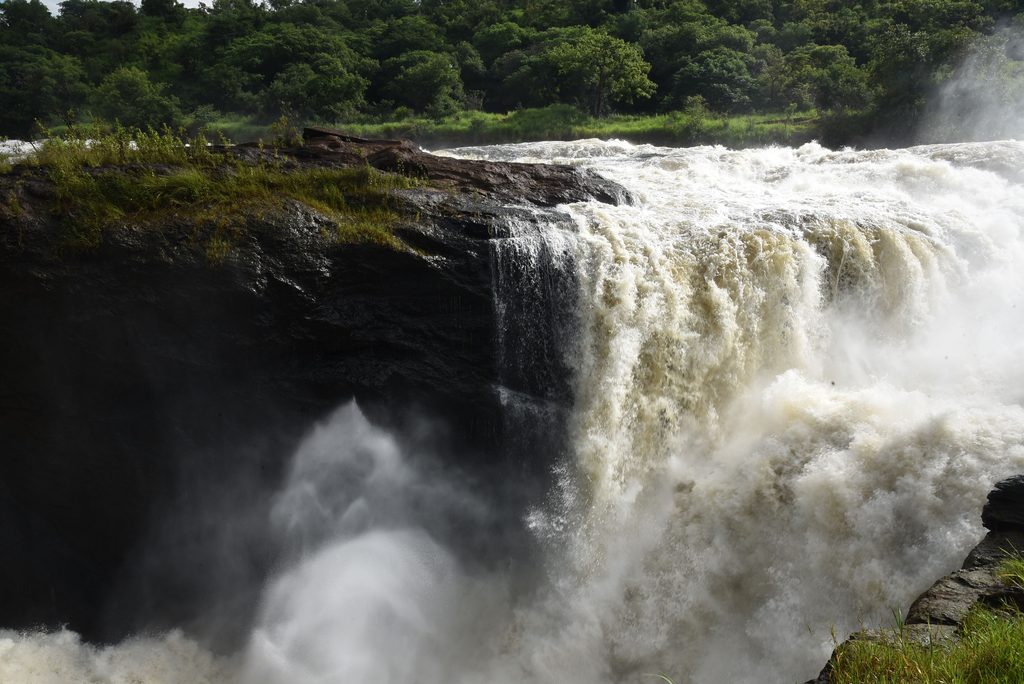
Murchison Falls National Park is Uganda’s largest park and the best all round safari destination in the country. The Nile cuts through the middle, and the star attraction is the waterfall, where the entire river thunders through a narrow gap and drops about forty three metres into the Devil’s Cauldron. A boat cruise to the base of the falls, a hike to the top and a morning game drive on the northern bank give you three very different views of the park in a single stay.
Wildlife is rich, with elephants, giraffes, lions, buffalo, hippos and one of the largest crocodile populations in Uganda, and the delta boat trip is one of the best places in Africa to see the shoebill. Budongo Forest, just south of the park, offers affordable chimpanzee tracking. Two or three nights is ideal, and the park is about five to seven hours from Kampala. Read more in our complete guide to Murchison Falls National Park.
3. Queen Elizabeth National Park: Best for Variety and Tree Climbing Lions
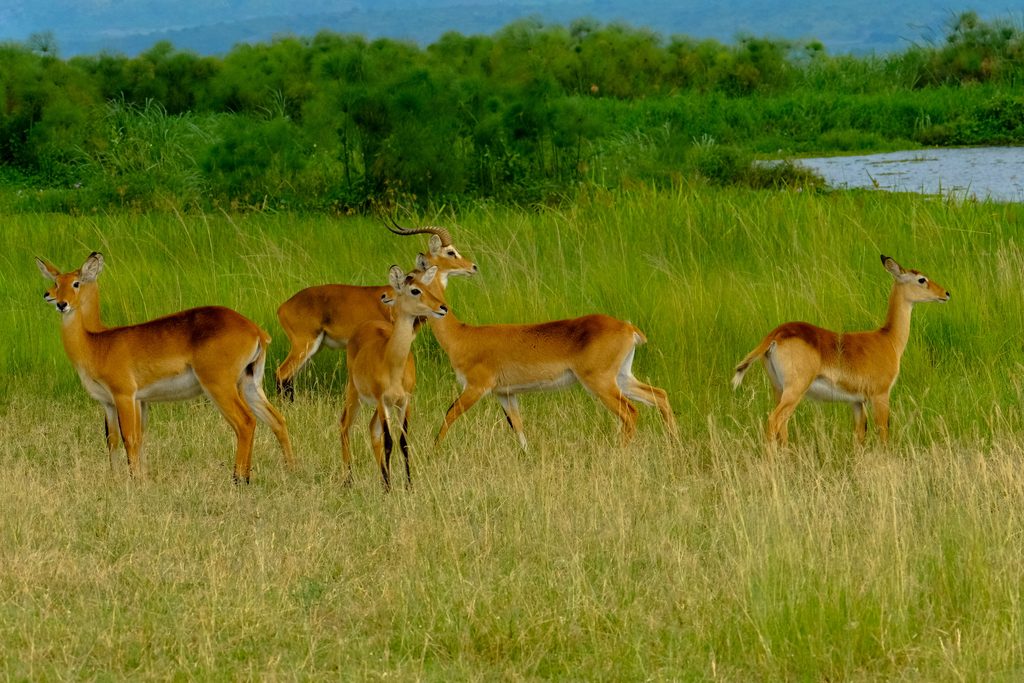
Queen Elizabeth National Park is the most varied park in Uganda and one of the most visited. In under two thousand square kilometres, it combines open savannah, crater lakes, forest, wetlands and the Kazinga Channel, a waterway that attracts huge numbers of hippos, buffalo, elephants and water birds. The boat cruise along the channel is a highlight, and game drives on the Kasenyi plains often produce lions.
In the far south, the Ishasha sector is famous for tree climbing lions that rest in the branches of large fig trees, a sight found in only a few places on earth. Kyambura Gorge adds chimpanzee tracking, and the park is also one of the richest birding areas in Africa. Two to three nights works well, and the park fits neatly between Kibale and Bwindi. Our complete guide to Queen Elizabeth National Park explains how to plan the visit.
4. Kibale National Park: Best for Chimpanzee Trekking
Kibale National Park, near Fort Portal, is known as the primate capital of Africa and the best place in Uganda to track chimpanzees. The forest is home to an estimated 1,500 chimpanzees and thirteen primate species, and tracking success rates are very high. Groups are small, and you spend one hour with a chimpanzee community once it is found.
A standard permit costs 250 dollars for foreign non-residents, with a low season rate of 200 dollars, and published schedules indicate a rise to 300 dollars from January 2027. Beyond chimpanzees, Kibale offers the Bigodi Wetland Sanctuary for birds, beautiful crater lakes nearby and a friendly base in Fort Portal. One or two nights is enough. Our guide to chimpanzee trekking in Uganda compares all the forests where you can do it.
5. Kidepo Valley National Park: Best for Remote Wilderness
Kidepo Valley National Park is the wildest and most remote park in Uganda, set in the far north east among rugged mountains and wide plains. It holds animals found in no other Ugandan park, including cheetahs, ostriches, Burchell’s zebras and greater kudu, and its birdlife is exceptional. Visitors are few, which means you often have a game drive entirely to yourself, and cultural visits to the Karamojong and the Ik add depth.
The journey is long, so most travellers fly in, and because the park lies near the border with South Sudan, government advice for the region is stricter than for other parts of the country. Check current advice and travel with a licensed operator. Kidepo is best for seasoned travellers with time, and our complete guide to Kidepo Valley National Park explains what to expect.
6. Mgahinga Gorilla National Park: Best for Volcano Scenery and Golden Monkeys
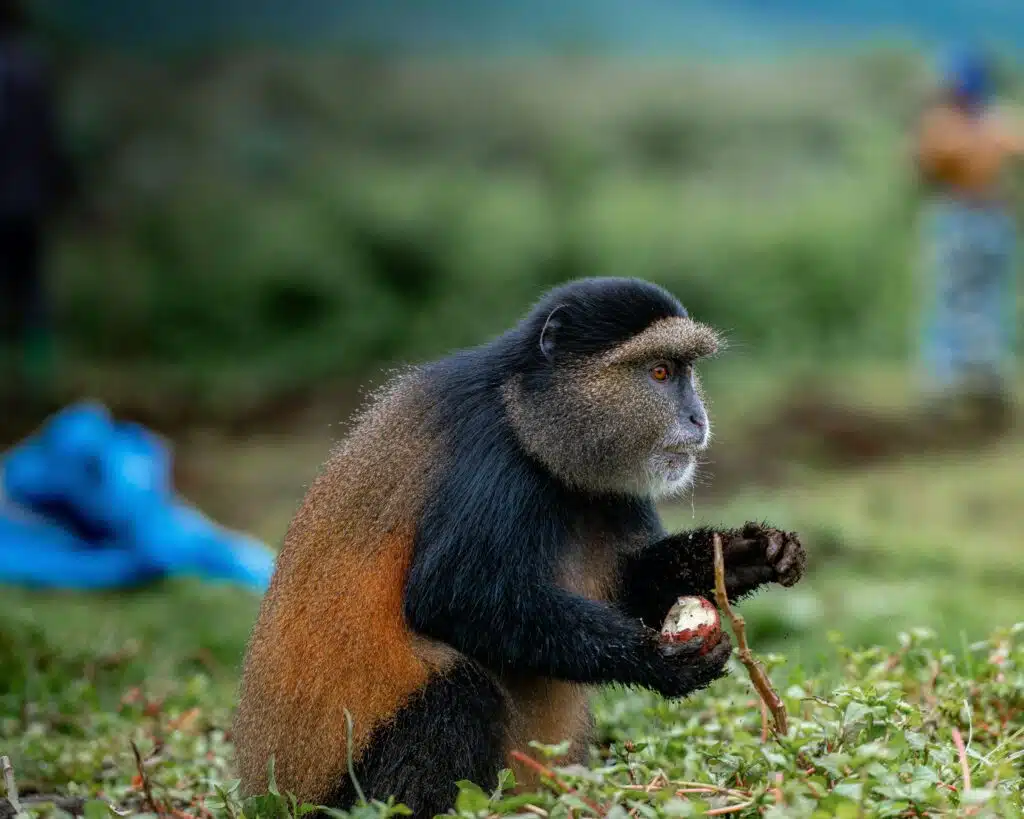
Mgahinga Gorilla National Park is Uganda’s smallest park and one of its most scenic, a corner of the Virunga volcanoes on the border with Rwanda and Congo. It offers gorilla trekking with one habituated family, golden monkey tracking found nowhere else in Uganda, hikes up three volcanoes and the Batwa Trail experience, all within a compact area. It is quieter than Bwindi and a superb addition for travellers who want mountain scenery and culture as well as primates.
Golden monkey tracking is cheaper and easier than gorilla trekking, which makes it a good option for families with older teenagers and travellers on a budget. Plan two nights and combine it with Bwindi and Lake Bunyonyi. Our guide to Mgahinga Gorilla National Park covers every activity in detail.
7. Lake Mburo National Park: Best for Walking and Horseback Safaris
Lake Mburo National Park is small, close to Kampala and refreshingly relaxed. It is the only Ugandan park where you can find zebras, impalas, elands and topi in numbers, and because it has no resident elephants and few large predators, it offers walking safaris, horseback safaris and cycling alongside boat cruises and game drives. It sits roughly halfway between Kampala and Bwindi, so it is an ideal overnight stop.
One night is enough as a stopover, and two nights lets you enjoy every activity at a gentle pace. It is a favourite with families and with travellers who want to slow down and feel part of the landscape. See our complete guide to Lake Mburo National Park for details.
8. Rwenzori Mountains National Park: Best for Hiking
The Rwenzori Mountains, known as the Mountains of the Moon, rise to 5,109 metres at Margherita Peak, the third highest summit in Africa. The park is a World Heritage Site with giant heathers, lobelias, glacier fed lakes and some of the most dramatic trekking in the continent. Multi day routes, including the Central Circuit and the Kilembe Trail, suit experienced hikers, while shorter walks in the foothills are open to almost anyone.
The best time to hike is the dry months of December to February and June to July, and fitness and altitude preparation are important. The park lies along the border with Congo, so check current travel advice for western Uganda. Our complete guide to Rwenzori Mountains National Park explains the routes and the preparation you need.
9. Semuliki National Park: Best for Birds and Hot Springs
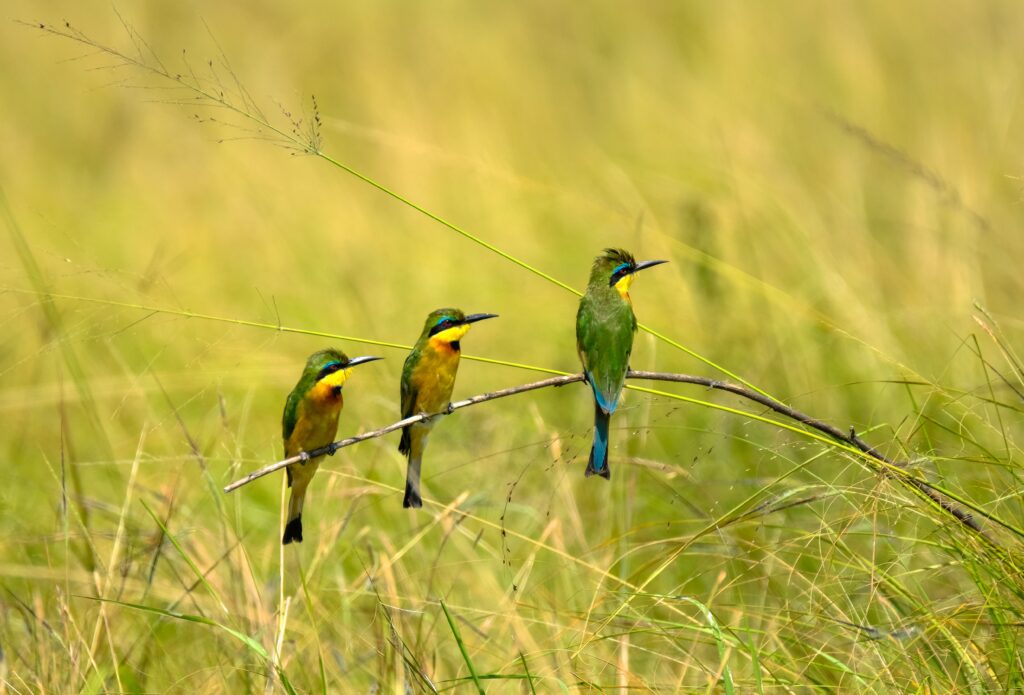
Semuliki National Park in the far west is a lowland rainforest that is an eastern extension of the great Congo forest. It is one of the best birding destinations in Africa, with many Central African species found nowhere else in Uganda, and its main attraction for general visitors is the Sempaya Hot Springs, where you can boil an egg in water close to boiling point. Walking trails lead through humid forest with monkeys and butterflies.
The park is remote and sits on the border with the Democratic Republic of Congo, and some governments give specific advice about the area, so check current guidance before you plan a visit. Keen birders often find it worth the effort, and it combines with Fort Portal and Kibale. For general information, the overview of Semuliki National Park is a good starting point.
10. Mount Elgon National Park: Best for Quiet Hiking and Waterfalls
Mount Elgon National Park in the east protects the slopes of an ancient extinct volcano shared with Kenya. Its summit area contains one of the largest volcanic calderas in the world, and the peak, Wagagai, rises to around 4,300 metres. The park offers quiet hiking, caves, hot springs and views, and the nearby Sipi Falls, a series of three waterfalls surrounded by coffee farms, is a popular stop for gentle walks and coffee tours.
Mount Elgon is less visited than the western parks, which makes it attractive for travellers who want solitude. It combines well with Jinja and the Nile, and it suits those who have already seen the main wildlife parks. You can read about the mountain in this overview of Mount Elgon.
The Best National Parks to Visit in Uganda by Interest
Best for First Time Visitors
For a first trip to the best national parks to visit in Uganda, combine Bwindi for gorillas with Queen Elizabeth National Park or Murchison Falls for classic wildlife, and add Lake Bunyonyi for rest. This route delivers Uganda’s headline experiences with a manageable amount of driving, and it works for trips of seven to ten days.
Best for Wildlife Photography
Murchison Falls and Queen Elizabeth give the widest range of photographic subjects, from waterfalls and boat cruises to big cats and elephants. Kidepo offers dramatic landscapes and unusual species, and Bwindi and Mgahinga provide unforgettable primate portraits, though the light is dim.
Best for Birdwatching
Queen Elizabeth, Murchison Falls, Kidepo, Semuliki, Bwindi and Lake Mburo all offer superb birding, and Uganda’s list of more than a thousand species makes the whole country a destination for birders. Choose according to the species you most want to see, and hire a specialist guide.
Best for Families
Lake Mburo, Queen Elizabeth and Murchison Falls suit families well, with boat cruises, game drives and gentle walks. Gorilla and chimpanzee trekking have minimum age limits, so check them before planning, and keep drives short for young children.
Best for Budget Travellers
Lake Mburo, Murchison Falls and Queen Elizabeth offer excellent value, with lower fees than the primate parks. Chimpanzee tracking in Budongo and Kyambura costs less than Kibale, and travelling in April, May or November brings discounted permits.
How Many of the Best National Parks to Visit in Uganda Fit in One Trip?
The most common mistake when choosing the best national parks to visit in Uganda is trying to see too much. Distances in Uganda are long, and a day on the road can easily take six to eight hours, so a realistic plan includes one park per two or three days. In a week, most travellers can enjoy three or four parks comfortably, and in ten days, five or six. Domestic flights can save time between distant parks, such as Murchison Falls and Bwindi.
A good rule is to group parks by region. The south west combines Bwindi, Mgahinga, Lake Bunyonyi and Lake Mburo. The west combines Queen Elizabeth, Kibale, Semuliki and Rwenzori. The north combines Murchison Falls and Kidepo. Choosing one region and doing it well is usually better than rushing across all of them.
Which Park Should You Choose If You Can Only Pick Three?
If your time or budget allows only three of the best national parks to visit in Uganda, our advice is simple. Choose Bwindi for the gorillas, because nothing else in Africa compares with that hour in the forest. Choose Murchison Falls or Queen Elizabeth for classic safari wildlife, depending on whether you prefer a waterfall and river cruise or a varied landscape with tree climbing lions. Then choose a third park that fits your style, such as Kibale for chimpanzees, Lake Mburo for a gentle walking safari or Kidepo for true wilderness.
This trio balances primates, big game and a distinctive third experience, and it keeps driving manageable. If you are unsure, tell us your dates and interests, and we will suggest the combination that gives you the most for your time and budget. A short conversation can save you days on the road and hundreds of dollars in the wrong permits.
Best Time to Visit the Best National Parks in Uganda
Most of the best national parks to visit in Uganda can be visited all year, but the dry seasons, June to September and December to February, are the easiest for trekking and game drives. Trails are firmer, animals gather near water and views are clearer.
The wetter months, March to May and October to November, bring fewer visitors, lower prices and lush scenery, and discounted gorilla and chimpanzee permits apply in April, May and November.
Different parks have different sweet spots. Kidepo is best from December to March, the Rwenzori from December to February and June to July, and birding is excellent from November to April. For a full overview, read our guide to the best time to visit Uganda.
Costs, Permits and Park Fees
The cost of the best national parks to visit in Uganda varies by activity. Park entry for foreign non-residents has generally been listed at about 40 to 45 dollars per day in the main savannah parks under the tariff running to mid 2026, with higher costs for primate permits.
A gorilla permit costs 800 dollars, a chimpanzee permit costs 250 dollars in Kibale, and golden monkey tracking has been listed at about 60 dollars. A revised tariff takes effect from January 2027 for some activities, so confirm current figures before you budget.
Accommodation, transport and meals add to the total, and our guide to Uganda safari cost explains how the pieces fit together. Booking early protects you from sell outs and price changes, and a good planner can tell you where to spend and where to save.
Safety and Travel Advice
Many travellers visit the best national parks to visit in Uganda without problems, but government advice varies and can change, particularly for areas near the borders with South Sudan and the Democratic Republic of Congo. Check your own government’s current travel advice, read our honest guide on whether Uganda is safe, and travel with a licensed operator who monitors conditions. Buy insurance that covers medical evacuation, and keep your plans flexible.
For general visitor information, the Uganda Tourism Board publishes official guidance for travellers.
Sample Routes Through the Best National Parks in Uganda
The Classic Seven Day Route
Start in Entebbe, spend two nights at Murchison Falls, travel to Kibale for chimpanzees, continue to Queen Elizabeth National Park and finish in Bwindi for gorillas. This route covers the major highlights, and our guide to a 7-day Uganda safari explains it day by day.
The Primate Route
Focus on forests, combining Kibale for chimpanzees, Bwindi for gorillas and Mgahinga for golden monkeys, with Lake Bunyonyi in between. It suits travellers who love primates and are happy to spend time on the road.
The Big Game and Adventure Route
Combine Murchison Falls, Queen Elizabeth and Lake Mburo for wildlife, and add Jinja for rafting on the Nile. It suits active travellers who want a mix of animals and adrenaline.
Our team at Afoyo African Safaris designs tailor-made journeys from Kampala, handling permits, lodges, transport and guides so that you can focus on the wildlife. Tell us your dates, budget and interests, and we will build the perfect route through Uganda’s finest parks. Visit Afoyo African Safaris to start planning your safari today.