How Strong is Mountain Gorillas? Behaviour, Habitats and Gorilla Trekking Guide
Mountain gorillas are extraordinarily powerful great apes. Adult male silverbacks can weigh more than 180 kg and have heavily muscled shoulders, arms, and jaws adapted for climbing, feeding on tough vegetation, and protecting their families. Although popular claims often assign gorillas a precise “times stronger than a human” figure, no reliable field test supports a single number. What is clear is that their physical power is immense, and visitors should always respect their space.
Mountain gorillas are extraordinarily powerful great apes. Adult male silverbacks can weigh more than 180 kg and have heavily muscled shoulders, arms, and jaws adapted for climbing, feeding on tough vegetation, and protecting their families. Although popular claims often assign gorillas a precise “times stronger than a human” figure, no reliable field test supports a single number. What is clear is that their physical power is immense—and visitors should always respect their space.
Mountain gorilla behaviour
Mountain gorillas are intelligent, social, and generally peaceful when left undisturbed. They live in family groups led by a dominant adult male, known as a silverback. The silverback makes many group decisions, protects infants and females, and may display its strength through chest-beating, vocalisations, charging, or breaking vegetation when it feels threatened.
These displays are usually intended to create distance, not to start a fight. Rangers carefully guide trekking groups so that visitors do not block a gorilla’s path, approach too closely, or cause stress. Gorillas spend much of their day feeding, resting, grooming, and caring for young.
Where can you see mountain gorillas in Africa?
Wild mountain gorillas live only in the high-altitude forests of central East Africa:
-
Uganda: Bwindi Impenetrable National Park and Mgahinga Gorilla National Park.
-
Rwanda: Volcanoes National Park.
-
Democratic Republic of Congo: Virunga National Park.
Uganda’s Bwindi forest holds a major share of the global mountain gorilla population and offers several trekking sectors. Rwanda’s Volcanoes National Park is known for relatively easy access from Kigali and a polished tourism infrastructure. Virunga is historically remarkable, but conditions and access can change quickly.
Gorilla trekking rules
Rules protect both people and gorillas, which are vulnerable to human respiratory illnesses.
-
You must be at least 15 years old.
-
Attend the ranger briefing and follow your guide at all times.
-
Keep the required distance—Rwanda’s official guidance specifies 7 meters; guides may instruct you to move farther away.
-
Do not trek if you have a cold, flu or another contagious illness.
-
Do not touch, feed, chase or surround gorillas.
-
Keep your voice low, avoid flash photography and do not use drones.
-
Visits with a habituated gorilla family are generally limited to one hour.
-
Carry out all rubbish and use the toilet facilities before entering the forest.
Gorilla permit prices: Uganda, Rwanda and DRC Congo
Prices below are for a standard foreign visitor permit and can change, so confirm availability and the final rate before paying.
| Country | Main trekking park(s) | Standard permit price |
|---|---|---|
| Uganda | Bwindi and Mgahinga | US$800 |
| Rwanda | Volcanoes National Park | US$1,500 |
| DRC Congo | Virunga National Park | About US$400, subject to operations and security conditions |
Uganda also introduced lower-season standard permits of US$600 for foreign non-residents in April, May and November, subject to its conditions. Rwanda offers qualifying promotional rates for some resident and regional visitor categories, but the standard international rate shown by the Rwanda Development Board is US$1,500. Uganda permit information · Rwanda’s official booking portal · Virunga visitor information
Which country is best for gorilla trekking?
For most travellers, Uganda is the best overall choice. It provides the strongest balance of permit value, a large choice of habituated gorilla families and the option to add chimpanzee tracking, classic safari wildlife and community experiences to the same trip.
Choose Rwanda if you have a higher budget, limited time or prefer the most straightforward road transfer from Kigali to Volcanoes National Park.
Choose DRC, Congo, only after checking that tourism operations are running and reviewing current travel advice from your own government. The DRC permit can be less expensive, but security and health conditions can change rapidly.
For a budget-conscious mountain gorilla safari with the widest range of wildlife add-ons, Bwindi in Uganda remains the leading choice.
Discover More Stories
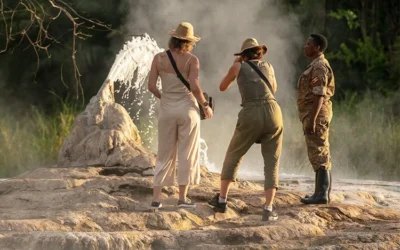
The Sempaya Hot Springs
The Sempaya Hot Springs—Semuliki National Park, Uganda A guided visit to the Sempaya Hot Springs combines scenic rainforest walks, wildlife viewing,...
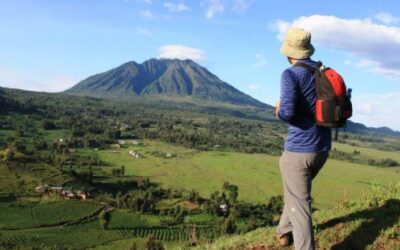
Mount Sabinyo
Mount Sabinyo: Where Three Countries Meet Mount Sabinyo is one of the most distinctive volcanoes in East Africa. Located in the Virunga Mountains,...
Safest African Country for Safari
Safest African Country for Safari, Facts About African Safaris & Travel Insights Planning an African safari often comes with important...
YOUR EXPEDITION AWAITS
Envision Your Experience
Whether you want a short escape, a romantic getaway, a family trip, or a bigger Africa safari, Afoyo Safaris can help you build the right itinerary. We can help with route planning, accommodation, guided experiences, activities, and extensions to nearby destinations.
Afoyo African Safaris
Crafting authentic African journeys through personalized safari experiences across Uganda, Rwanda, Kenya, Tanzania, Zambia, and Congo.

NAVIGATE
Expeditions
Our Story
Plan Your Journey
Terms & Conditions
BOOK SECURELY
