Mount Kilimanjaro
Mount Kilimanjaro
Mount Kilimanjaro – Africa’s Highest Peak and a Journey of Purpose
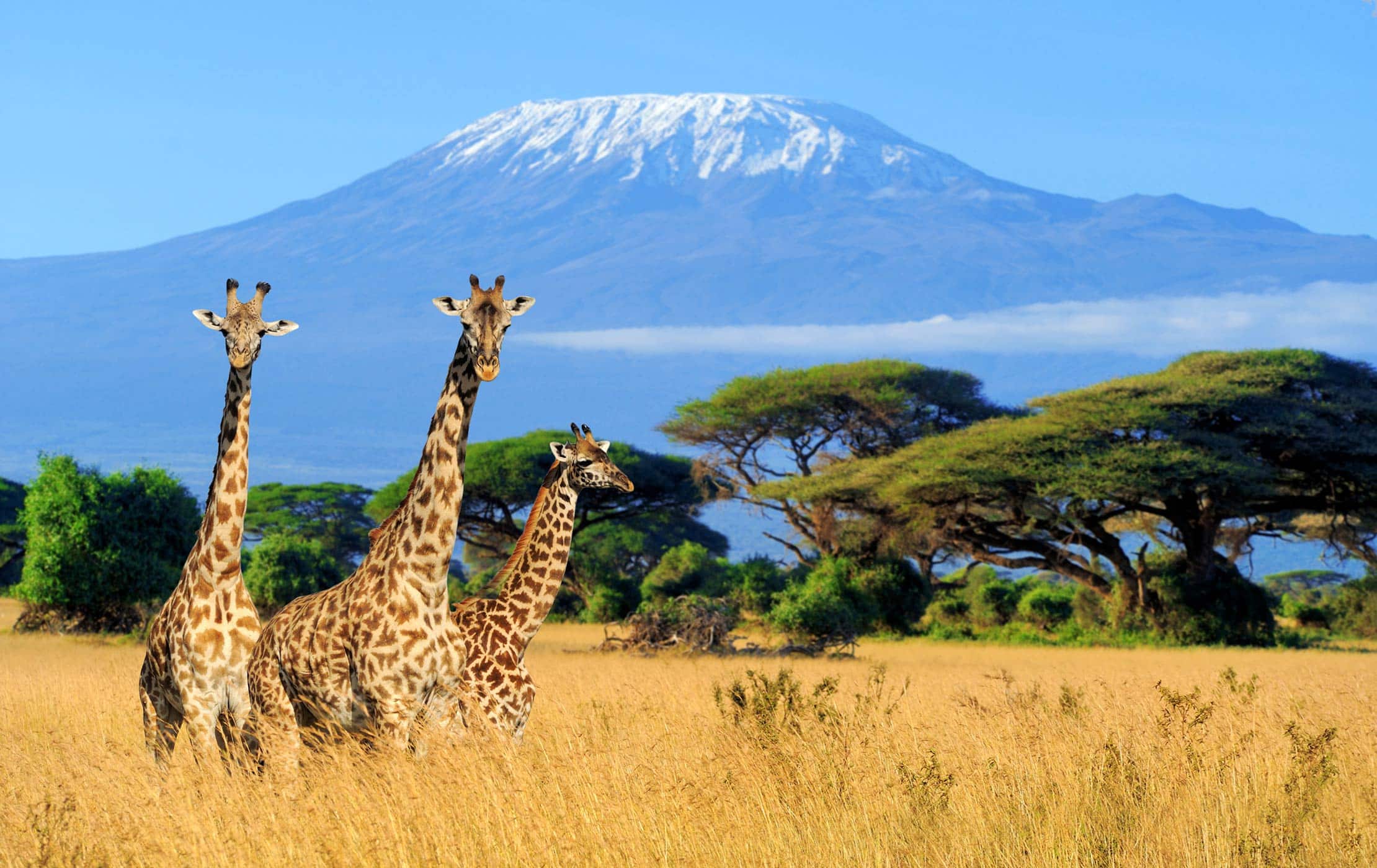
Rising majestically above the plains of northern Tanzania, Mount Kilimanjaro stands as the tallest mountain in Africa and one of the most iconic natural landmarks in the world. With its snow-capped summit towering above the savannah, Kilimanjaro attracts thousands of adventurers each year who dream of standing on the “Roof of Africa”.
But climbing Kilimanjaro is more than just reaching a summit. It is a personal challenge, a life-changing adventure, and an opportunity to connect with Africa’s landscapes, people, and purpose.
Location of Mount Kilimanjaro
Mount Kilimanjaro is located in northeastern Tanzania, near the border with Kenya. It lies within Kilimanjaro National Park, a protected area established to preserve the mountain’s unique ecosystem and biodiversity. The nearest town to the mountain is Moshi, which serves as the main base for climbers preparing for their expedition. From here, trekkers begin their ascent through lush rainforest, alpine desert, and finally into the arctic summit zone.
The Highest Peak in Africa
Mount Kilimanjaro reaches an elevation of 5,895 meters (19,341 feet) above sea level. Its highest point is called Uhuru Peak, which means “Freedom” in Swahili. Kilimanjaro is the tallest freestanding mountain in the world, meaning it rises independently from the surrounding plains rather than being part of a mountain range. This makes its presence even more dramatic and breathtaking.
Climbing to Uhuru Peak is a remarkable achievement that attracts both experienced mountaineers and first-time climbers. Unlike technical mountains, Kilimanjaro does not require ropes or advanced climbing skills, but it does demand physical preparation, mental determination, and proper acclimatisation.
What Does “Kilimanjaro” Mean?
The exact meaning of the name “Kilimanjaro” is debated, but many believe it comes from a combination of Swahili and Chagga words:
“Kilima” (Swahili) meaning “mountain”
“Njaro” believed to mean “whiteness” or “shining”
Together, Kilimanjaro is often interpreted as “The Shining Mountain”, a fitting name for a peak crowned with glaciers that gleam under the African sun.
Best Months to Climb Mount Kilimanjaro – Best Climbing Seasons:
Kilimanjaro can be climbed year-round, but the best months are during the dry seasons when weather conditions are more favorable.
January to March – Cooler temperatures, fewer climbers, and clearer skies.
June to October – The most popular season with stable weather and excellent visibility.
These months offer the safest and most comfortable trekking conditions. During the rainy seasons (April–May and November), trails can become slippery and more challenging.
Choosing the right route and season greatly increases your chances of successfully reaching Uhuru Peak.
The Climbing Experience
Climbing Mount Kilimanjaro is like walking from the equator to the Arctic in just a few days. The journey passes through five unique ecological zones:
Cultivation zone
Rainforest
Heath and moorland
Alpine desert
Arctic summit
Each zone offers distinct scenery, wildlife, and temperature changes. Summit night is the most challenging part of the climb, as trekkers begin their final ascent around midnight to reach the peak at sunrise — a moment that many describe as emotional, spiritual, and unforgettable.
Standing at Uhuru Peak, watching the sun rise over Africa, is a reward beyond words.
Responsible Travel and Community Impact
While Mount Kilimanjaro is a symbol of adventure, it is also a vital source of livelihood for thousands of local guides, porters, cooks, and families. Responsible tourism ensures that these communities benefit fairly from every expedition. Choosing a tour operator that values ethical treatment of porters, environmental protection, and community support makes a significant difference.
Volunteer with Afoyo African Safaris – Travel for a Purpose
At Afoyo African Safaris, we believe that travel should create lasting impact. While organizing unforgettable African adventures — including Kilimanjaro climbs and safaris — we are also deeply committed to community development.
Through our volunteer programs, visitors have the opportunity to:
Support local schools
Participate in community development projects
Contribute to healthcare initiatives
Engage in conservation awareness programs. We are especially proud of our community medical centre project, which aims to improve healthcare access for rural families. When you travel or volunteer with us, you become part of something bigger than tourism.
Your adventure can help change lives.
Why Combine Climbing with Volunteering?
Many travelers choose to combine their Kilimanjaro climb with a volunteer experience in East Africa. After the physical and personal achievement of summiting Africa’s highest peak, giving back to a community adds deeper meaning to the journey.
Climb for the challenge.
Volunteer for the impact.
Leave Africa knowing you made a difference.
Final Thoughts – Mount Kilimanjaro
Mount Kilimanjaro is not just Africa’s highest mountain, it is a symbol of strength, endurance, and hope. Whether you are drawn by the dream of standing at 5,895 meters above sea level, the beauty of Tanzania’s landscapes, or the desire to contribute to meaningful community projects, this journey will transform you. Let your adventure rise higher than the summit.

All Categories
Recent Posts
Tour Uganda Gorilla
Mountain Gorillas
Best Luxury African Safari Tours
Africa
Quick booking process
(+256)755446166
