
Blue Nile Trails: Discover the Wonder of Culture & Wildlife in Africa
Blue Nile Trails: Discover the Wonder of Culture & Wildlife in Africa
Blue Nile Trails: Discover the Wonder of Culture & Wildlife in Africa
The Blue Nile Trails offer one of the most inspiring cultural and adventure experiences in East Africa. This remarkable route blends ancient Luo history, breathtaking landscapes, rich wildlife, and deep cultural traditions that have shaped communities for centuries. Today, travellers can trek, cycle, and explore the very trails once used by the early Luo people during their great migration.
The Blue Nile Trails are more than a journey they are a living story of people, heritage, and the mighty Nile River, connecting past and present in a way few African adventures can match.
The History of the Blue Nile Trails
The origin of the Blue Nile Trails dates back to the Luo migration, when Luo communities travelled across present-day South Sudan and northern Uganda in search of fertile, habitable land. When they reached the foothills of the Nile, they found land that was rich in resources, with abundant river water, fertile soil, and diverse wildlife. The area became a natural settlement ground, forming the foundation of Luo culture in the region.
Among the Luo were two brothers whose story continues to define the cultural identity and migration patterns of several East African tribes Gipir and Labongo. Their disagreement led to a historic separation:
Labongo moved eastward, eventually becoming the ancestor of the Acholi, Lango, and Japadhola people of Tororo District. His descendants extended further to the Lake Victoria region in Kisumu, Kenya forming the Luo communities associated with the lineage of Barack Obama, former President of the United States.
Gipir, on the other hand, journeyed westward. His movement carved the pathway that is now known as the Blue Nile Trails a route travellers can explore today through trekking and cycling adventures.
The Blue Nile Trails remain a powerful reflection of identity, movement, and the resilience of the communities that settled around the River Nile.
Cultural Experiences Along the Blue Nile Trails
Exploring the Blue Nile Trails offers travellers a rare opportunity to immerse themselves in diverse and vibrant West Nile cultures.
1. Understanding the Luo Culture and Dialects
Visitors learn the origins, traditions, and linguistic diversity of the Luo people. The stories, music, and living customs provide a rich understanding of this influential Nilotic community.
2. Discovering Multiple Ethnic Groups
The region is home to several ethnic groups, each with unique traditions:
Alur – Fishermen, farmers, and storytellers with strong ancestral heritage
Lendu – Known for rich folklore and traditional crafts
Ukebu & Ukuru – Communities preserving ancient cultural rituals and dialects
Travellers can take part in cultural exchanges, riddles, storytelling sessions, and traditional practices that have been passed down for generations.
3. Coffee Growing in Paidha
Paidha is famous for its high-quality coffee grown on volcanic soil. Visitors can tour local farms, learn about coffee processing, and taste freshly brewed organic coffee directly from the growers.
The Natural Beauty of the Blue Nile Region
One of the most spectacular sights along the trail is the mighty Nile River meandering between the savannah plains of Kabalega. The sweeping views of Lake Albert, rugged escarpments, and wide-open savannah landscapes make the route one of the most scenic in Uganda.
The Blue Nile Trails begin at Wanseko, a lakeside town where travellers cross Lake Albert by ferry or motorboat, and extend all the way to Murchison Falls National Park formerly known as Kabalega Falls. This route blends adventure, culture, wildlife viewing, and unmatched scenery. Suggested Itinerary for the Blue Nile Trails
Day 1: Transfer to Wanseko & Start of the Trail
Your journey starts on the southern side of Murchison Falls National Park, where you are transferred to Wanseko to catch the ferry or motorboat.
The one-hour crossing over Lake Albert offers beautiful views of the escarpments and fishing villages.
After crossing, you begin your ride for about an hour until you reach the foothills of the Blue Nile Trails at Got Panyimur. This area offers:
Spectacular views of Lake Albert
Opportunities to learn about fishing traditions
Birdwatching experiences with numerous aquatic and savannah species
Interaction with welcoming local communities
It’s an immersive start to the Blue Nile adventure.
Day 2: Riding to Parombo & Cultural Storytelling
Your morning begins with a refreshing ride and a gentle climb along the trails leading toward Parombo. Along the way, you will encounter lush landscapes, traditional homesteads, and scenic viewpoints ideal for photography. The story teller will help and explain how the place call Parombo,
In Parombo, you meet a local historian and storyteller who narrates the ancient tale of Gipir and Labongo explaining how their separation shaped the West Nile region and influenced the development of various tribes. This storytelling session brings the migration narrative to life and connects travellers with the deep cultural roots of the area.
Day 3: Ascending Into Erusi
After breakfast, you proceed toward Erusi. This part of the trail climbs from 600 to 1400 meters above sea level. The ascent rewards you with sweeping views of the Nile meandering through Kabalega’s savannah. In Erusi, you dive into the traditions of coffee growing and brewing—learning how families have preserved these practices for generations.
Day 4: Riding to Ukuru – Specialty Coffee Region
Continuing deeper into the highlands, you arrive at Ukuru, one of the coffee capitals of West Nile.
Specialty Coffee of Paidha & Zombo
The region produces washed Robusta, grown between 1300–1700 meters in the fertile volcanic soils of Ovuru Village, Paidha, and the Zombo highlands.
Farmers working with Zombo Coffee Partners Ltd. and other cooperatives cultivate coffee that is:
Hand-picked
Carefully washed
Sun-dried
Rich in flavor and internationally recognized
Visitors can taste freshly brewed coffee and learn the entire farm-to-cup process.
Day 5: Trekking to Got Aminzi – The Sacred Mountain
Today you walk toward Got Aminzi, one of the most revered mountains in the West Nile region.
Cultural Significance of Got Aminzi
During the Luo migration, people travelled from distant parts of West Nile to seek blessings from the spirits believed to dwell in this sacred mountain. The site contains:
Ancient caves
Traditional consultation areas
A mysterious underground passage historically said to lead toward the DRC border
Got Aminzi remains a protected cultural landmark and a highlight of the Blue Nile Trails.
Day 6: Descending Toward Rhino Camp & Arrival in Nebbi
You begin descending from the highlands toward Rhino Camp, an area historically known for white rhinos before their extinction in the region in the 1970s.
Your journey concludes the day in Nebbi Town, the heart of Alur culture.
Historical Features of Nebbi
The iconic Nebbi Cathedral, one of East Africa’s largest
Alur royal history and traditional leadership
Day 7: Rhino Camp Experience
Today is dedicated to Rhino Camp, home to community wildlife projects and conservation education.
An evening walking safari
A chance to learn about rhino conservation efforts
A peaceful night at camp surrounded by nature
Day 8: Riding to Pakwach – Land of History & the 2013 Solar Eclipse
Your trail continues along the Nile River toward Pakwach, a town rich in culture and folklore.
Known for the 2013 Total Solar Eclipse, viewed by scientists and tourists from around the world
Home to the Pakwach Art & Sculpture culture, including traditional Luo crafts
A meeting point of Nilotic traditions and vibrant marketplaces
You explore the eclipse memorial area and the lively riverside communities. Scenic views of the Rift Valley escarpments
The legendary site of Pakwach Bridge, where the Nile crosses into the West Nile region
Day 9: Arrival at Kabalega Falls (Murchison Falls)
You reach the famous Kabalega Falls, also known today as Murchison Falls the world’s most powerful waterfall.
A boat trip to the base of the falls
A walk to the top of the falls for spectacular views
Photography sessions of the Nile squeezing through a 7-meter gorge
This day blends adventure and raw natural power.
Day 10: Morning Game Drive & Return to Entebbe
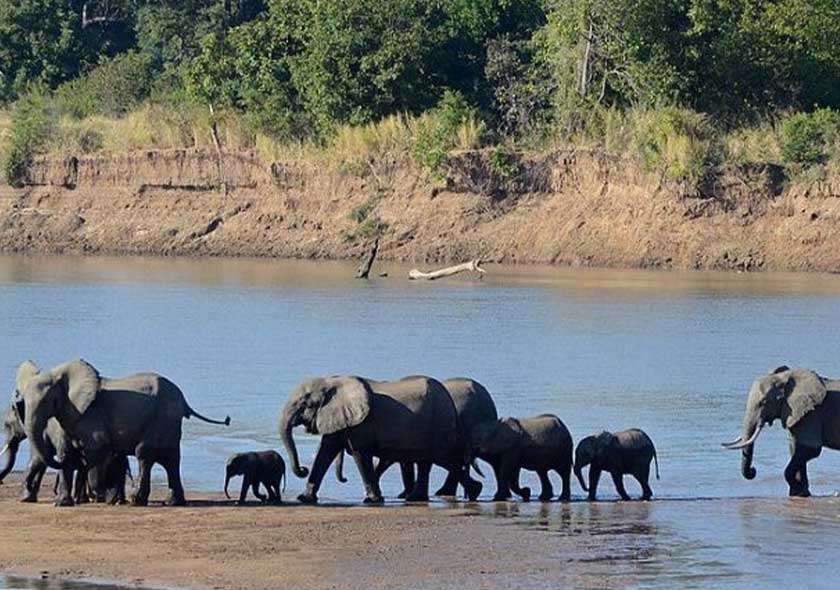
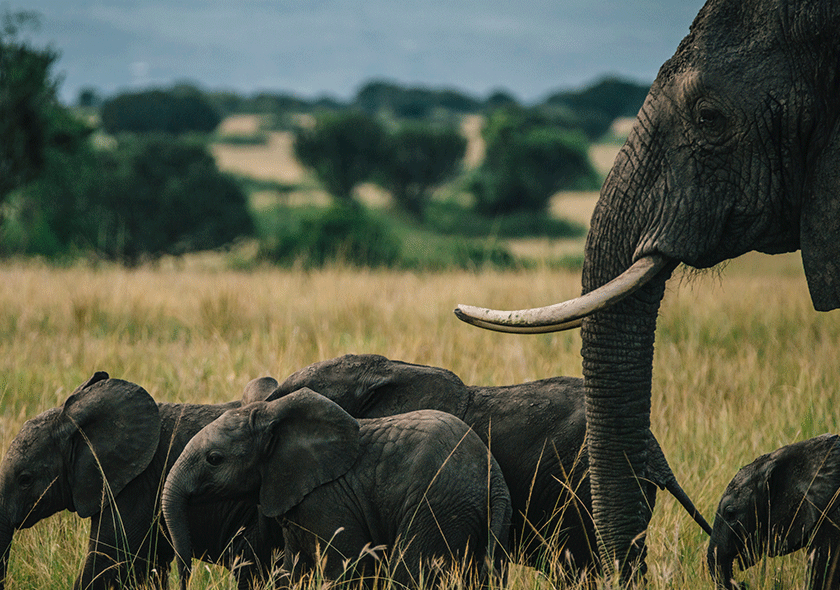
Your final day features a morning game drive in Murchison Falls National Park, where you may spot giraffes, buffaloes, elephants, lions, and abundant birdlife.
Afterward, you prepare for your journey back to Entebbe as the Blue Nile Trails adventure comes to a memorable end.

All Categories
Recent Posts

Akagera National Park

Rwanda Family Vacation

Gorilla Safari in Africa
Africa
Quick booking process
(+256)755446166
