
10 Amazing Chimpanzee Facts – Behavior, Intelligence, And Social Life in The Wild.
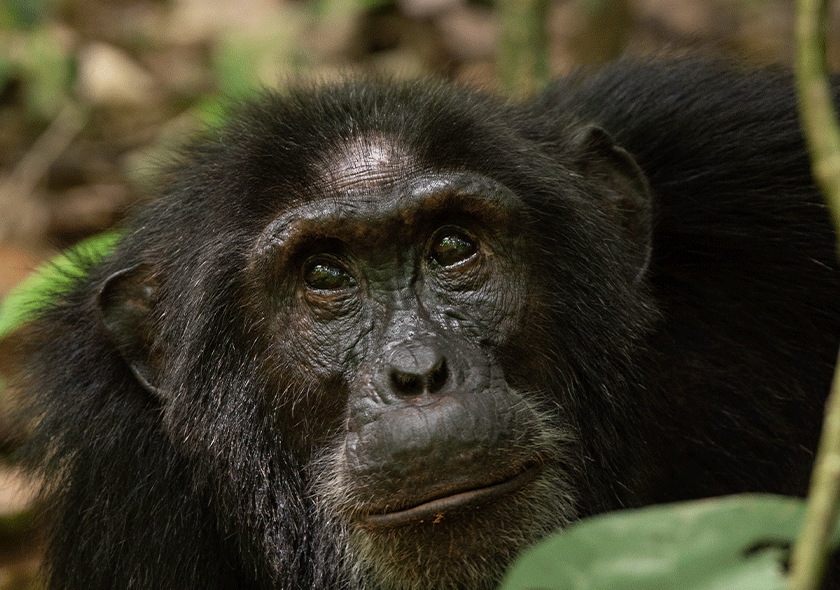
10 Amazing Chimpanzee Facts – Behavior, Intelligence, And Social Life in The Wild.
Our Closest Genetic Relatives
Chimpanzees, our closest living relatives, are a source of endless fascination. Their complex behaviors and social structures mirror our own in many ways. This article delves into ten intriguing 10 Amazing Chimpanzee Facts about these intelligent creatures. From their democratic decision-making to their tool use, you’ll gain a deeper understanding of their world.
Explore 10 amazing chimpanzee facts, from tool use and emotions to family bonds and communication. A fun and educational look at our closest relatives.
Democratic Decision-Making in Communities
Chimpanzees share a staggering 98.7% of their DNA with humans. This genetic similarity underscores our close evolutionary relationship. It’s not just about genes, though. Many of the behaviors and traits we consider uniquely human are also found in these remarkable primates.
Chimpanzees exhibit complex social behaviors, including a form of democratic decision-making. They often ‘vote’ for their leaders or travel routes through consensus. This social structure is strikingly similar to human societies, further highlighting the parallels between us and our primate cousins.
Complex Communication Skills
Chimpanzees communicate using a variety of methods. These include vocalizations, gestures, and facial expressions.
Some of these communication methods are strikingly similar to human communication. This similarity further emphasizes the close relationship between humans and chimpanzees.
Tool Use and Innovation
Chimpanzees are known for their ability to use and create tools. This trait was once thought to be uniquely human.
They use sticks to fish for termites, stones to crack open nuts, and leaves as sponges or spoons to drink water. This showcases their problem-solving skills and adaptability.
Territorial Warfare and Social Dynamics
Chimpanzees engage in warfare with neighboring communities. This behavior showcases their territorial instincts and complex social dynamics.
These conflicts can be brutal and are often about resources or territory. It’s a stark reminder of the survival challenges they face in the wild.
Diverse Diets and Altruistic Behaviors
Chimpanzees have a diverse diet that includes fruits, nuts, seeds, insects, and occasionally small animals. This varied diet reflects their adaptability and resourcefulness in different environments.
Interestingly, they also exhibit altruistic behavior. For instance, they are known to care for orphaned young, demonstrating a sense of community and empathy.
Hierarchical Society and Mating Preferences
Chimpanzees live in a hierarchical society known as community classes. The alpha male, typically the strongest and most influential, sits at the top of this hierarchy.
When it comes to mating, female chimpanzees are highly selective. They often prefer males who are high-ranking and strong, ensuring the best genes for their offspring.
Grooming and Mourning: Signs of Empathy
Grooming is a vital social activity for chimpanzees. It’s used for bonding and maintaining social relationships, much like human social interactions.
Chimpanzees also show signs of empathy in their mourning behaviors. They’ve been observed to grieve their dead, displaying a depth of emotional complexity.
Conservation: Protecting an Endangered Species
Chimpanzees are an endangered species. They face significant threats from habitat loss, poaching, and disease.
Conservation efforts are crucial for their survival. Organizations like the Jane Goodall Institute lead the way in protecting chimpanzee populations and their natural habitats.
Lifespan, Learning, and Contribution to Ecosystems
Chimpanzees live for about 40-50 years in the wild. In captivity, they can live longer.
They play a vital role in their ecosystems. As seed dispersers, they aid in forest regeneration.

All Categories
Recent Posts
Tour Uganda Gorilla
Mountain Gorillas

Best Luxury African Safari Tours
Africa
Quick booking process
(+256)755446166
