Ajai Wildlife Reserve: The Lost Rhino Kingdom of Uganda’s West Nile
Ajai Wildlife Reserve: The Lost Rhino Kingdom of Uganda’s West Nile
Where is Ajai Wildlife Reserve?
Ajai Wildlife Reserve lies in northwestern Uganda, in the West Nile sub-region, predominantly within Madi-Okollo District, near the western bank of the Albert Nile River. It sits about 40 km east of Arua City (the regional hub) and approximately 385 km (around 6–7 hours’ drive) northwest of Kampala, Uganda’s capital city.
Despite its relatively small size (about 148–166 km²), Ajai’s unique riverine environment of papyrus swamps, floodplains, and wooded savanna makes it one of Uganda’s most fascinating hidden wildlife gems. Murchison Falls safari packages could also add up Ajai safari
The Legendary Human–Wildlife Story of Ajai – The Sanctuary That Almost Wasn’t
Ajai’s story begins long before modern conservation with King Ajai, a local West Nile leader in the 1930s who declared the land around his palace a game sanctuary, primarily to protect the majestic white rhinoceros that roamed its islands and floodplains.
This early community-led protection became one of Africa’s earliest conservation efforts. In 1937, the British colonial government gazetted a small area as a sanctuary, recognizing its wildlife richness. But it wasn’t until 1965 that Ajai was officially declared a wildlife reserve under Ugandan law. 
Rhinos: From Monarchs of the Plains to Legends of the Past
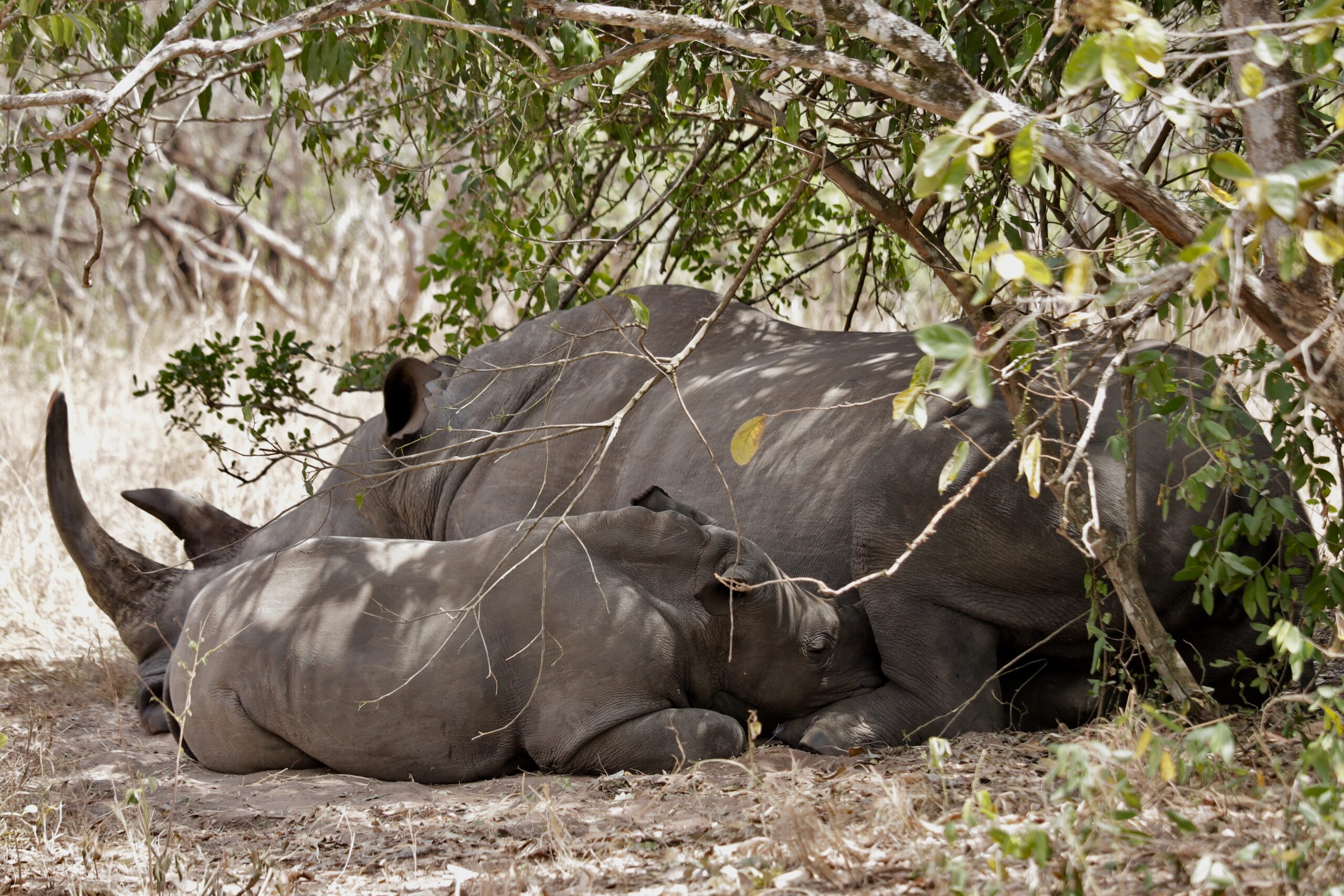
At its peak, Ajai was home to around 60 of Uganda’s then 80 remaining white rhinos making it not just a wildlife stronghold but a symbol of national pride.
Old-timer residents of Degiya Village remember rhinos as part of the rhythm of daily life: grazing at night, lounging on warm sand by day, and revered in local folklore. Some even believed rhinos held spiritual power and blessings for the Madi people.
Sadly, poaching and social upheaval — especially during the turbulent 1970s and 1980s wiped out the rhino population here. Many were hunted illegally for meat, trophies, traditional medicine, and profit.
Human–Wildlife Conflict in Ajai: Clash of Needs
Ajai’s history mirrors a common African conservation dilemma: people vs. wildlife. As Uganda experienced poverty, weak law enforcement, and social instability in the late 20th century, Ajai became a poaching hotspot, and local hunters driven by hunger, tradition, and lack of alternatives encroached on protected land.
At times villagers entered the reserve for firewood, grass, construction materials or to hunt game meat illegal under Uganda’s Wildlife Act but hard to enforce in remote regions. This conflict wasn’t just about survival; it led to ecological collapse, with the loss of rhinos and other large mammals. This created a cultural wound especially for West Nile communities who once saw rhinos as cultural icons, symbols of strength and connection to ancestral land.
Conservation Revival: A New Hope for Ajai
In recent years, Uganda Wildlife Authority (UWA) has launched a bold plan to reintroduce white rhinos to Ajai potentially as early as 5th January 2026. Translocating hundreds of Uganda Kobs and buffaloes from Kabwoya and Murchison Falls reserves to restore ecological balance.
Enhancing habitat and clearing bushland to create suitable grazing pasture for rhinos.
Building protective electric fencing and social outreach programs to minimize future human rhino conflict. For the West Nile people, this is far more than a conservation project it is a revival of a cultural treasure and an economic engine for tourism, community pride, and youth empowerment.
Wildlife and Wonders of Ajai Today
Even without rhinos, Ajai remains rich in biodiversity and safari magic:
Mammals
Uganda Kob, buffalo, hippo, oribi, sitatunga, and warthogs
Occasional sightings of leopards and primates like olive baboons, vervet monkeys, and colobus.
Birds
Ajai is a birder’s paradise with 120+ species, including:
Grey crowned crane
African fish eagle
Marabou stork
Helmeted guineafowl
Black-headed weaver
Little bee-eater
African Jacana
Nature
The reserve’s papyrus swamps, savanna woodlands, and open grasslands are ideal for:
Guided nature walks
Bird watching trails
Boat cruises on the Albert Nile
Cultural village tours with traditional dances, crafts, and community encounters
Tip for travelers: While Ajai doesn’t have large trail networks like the Blue Nile Falls in Ethiopia, guided nature walks on foot are available through papyrus and woodland zones perfect for photography and birding. 
How far is Ajai from Kampala?
From Kampala: ~385 km northwest about 6–7 hours by road.
From Arua: ~40–58 km east via dirt roads.
Most travelers include Ajai as part of a multi-stop Uganda safari due to its remote location and rustic experience.
Combining Ajai with Murchison Falls Safari
You can combine Ajai and Murchison Falls into a thrilling Northern Uganda wildlife adventure. In order to have the best experience of the safari of a lifetime, book with Afoyo African Safari and chose the Blue Nile trails and you will be able to cover all the blow listed activity and have a connection with the west Nile kingdom and cultural history that bind the people of west Nile region.
Here’s a perfect sequence: Start in Kampala or Entebbe
Drive north to Murchison Falls National Park for:
Game drives (big game safari) or to start your Blue Nile trails experience
Boat cruise on the Nile
Waterfall hike
Continue north to Ajai Wildlife Reserve for:
Birding & nature walks
Cultural encounters
Rhino reintroduction story
Boat ride on the Nile tributaries
This combo offers rich contrasts from the dramatic falls and big game of Murchison to the serene, historic landscapes of Ajai. Safari planners often recommend 3–7 days to do both justice and include comfortable transfers.
Local Culture & Experiences
Around Ajai, you can enjoy:
Arakaraka dances women balancing pots as part of traditional dance.
Meeting Lugbara, Madi, and Alur communities learning local history, crafts, and music.
Visiting Aruu and Miriadua Falls, scenic waterfalls near Arua.
Stay at Arraa fishing lodge and have a boat trip to explore the white rhino at Ajai wildlife reserve.
Ajai isn’t just wildlife it’s a cultural safari that connects you to the roots of West Nile life.
Why Ajai Matters to African Culture
Ajai Wildlife Reserve is more than a protected area it’s:
A symbol of early African community conservation led by local chiefs.
A reminder of how human needs and wildlife coexistence shaped cultural values.
A living classroom for restoration ecology and the power of community-government partnerships.
The potential return of rhinos is not just ecological it’s a rebirth of a cultural emblem for the people of West Nile and Uganda’s broader wildlife heritage.
Final Call to Adventure
Ajai Wildlife Reserve is a hidden safari treasure a story of rise, fall, and revival. From the days when rhinos walked freely across its plains to today’s conservation renaissance, it offers an unforgettable journey through wildlife, culture, resilience, and natural beauty.
Whether you’re a wildlife lover, culture seeker, or adventure enthusiast, Ajai should be on your Uganda safari bucket list and with the rhino comeback on the horizon, there’s never been a better time to tell the world Ajai is back!

One thought on “Ajai Wildlife Reserve: The Lost Rhino Kingdom of Uganda’s West Nile ”
Add a Comment Cancel reply
All Categories
Recent Posts
Murchison Falls National Park
Rwenzori Mountains National Park
Kibale Forest National Park
Africa
Quick booking process
(+256)755446166
nozgvs