What does Afoyo mean?

What does Afoyo mean?
Afoyo: Understanding Its Meaning, Cultural Roots & the Rich Diversity Around Murchison Falls National Park. Culture is the heartbeat of Uganda. From language to music, from food to dance, Uganda’s identity is shaped by more than 50 vibrant tribes and countless traditions that weave together a colourful national tapestry. Among these communities are the Luo-speaking peoples, whose language, history, and expressions continue to influence much of northern and northwestern Uganda.
One of the most beautiful words from the Luo languages is “Afoyo” a term that carries deep meaning and cultural warmth. It is more than a simple greeting; it is a gesture of respect, gratitude, and connection. Today, Afoyo is also embraced as a symbol of hospitality by Afoyo African Safaris, a company proudly rooted in local culture and committed to community-based tourism.
What Does “Afoyo” Mean?
Afoyo is a word from the Luo language family, which includes Alur, Acholi, and Lango.
Although each group pronounces it slightly differently, the meaning stays the same:
Alur: Afoyo
Acholi: Afoyoo
Lango: Afoyoo
Regardless of dialect, the word means “thank you.”
It expresses appreciation, humility, and acknowledgment—a key element of Luo hospitality and interaction.
Singular and Plural Forms in Luo
In Luo languages, nouns and references to people change depending on whether they refer to one person or many.
Alur (West Nile)
Singular:
JaMundu or Nyamundu – “he/she”
Plural:
Mundu – refers to more than two people
Acholi & Lango (Northern Uganda)
Singular:
Lacoo, Nyacoo, or context-based pronouns
Plural:
Munu “white person” or “foreigner,” used similarly to Mundu
Although small differences exist, all Luo languages share linguistic roots that reveal their ancient migration history from the Nile Basin.
How Many Cultures and Tribes Are in Uganda?
Uganda is one of Africa’s most culturally diverse countries, with over 50 recognized tribes and more than four major language families, including:
Bantu (Baganda, Basoga, Banyankole, Bakiga, Batooro, Banyoro, Banyole, Baruli, Bagungu etc.)
Nilotic / Luo (Acholi, Alur, Langi, Kumam, Japadhola)
Sudanic / West Nile groups (Lugbara, Aringa, Madi, Kakwa)
Karamojong cluster (Ateker) (Karimojong, Jie, Iteso, Dodoth, Pokot)
Each group contributes to Uganda’s incredible diversity in culture, dress, music, dance, and traditions. This variety is one of the major attractions for cultural tourism.
Which Tribes Surround Murchison Falls National Park?
Murchison Falls National Park is Uganda’s largest and most diverse protected area. It is surrounded by communities belonging to several ethnic groups, including:
Alur
Found mainly in Nebbi, Zombo, and Pakwach districts, the Alur are known for storytelling, music, fishing, and farming. Their dialect forms part of the Luo language family.
Acholi
Located on the eastern and northern boundaries of the park, the Acholi are known for rich oral traditions, music, and ancestral heritage.
Banyoro
To the south of the park, the Banyoro are the indigenous people of Bunyoro-Kitara Kingdom, one of the oldest kingdoms in East Africa. They are known for cattle keeping, pottery, and royal traditions.
Bagungu (Buliisa District)
The Bagungu are the primary custodians of the fishing communities along Lake Albert and the southern parts of the Nile near Murchison Falls. They have a strong fishing culture and a deep spiritual connection to water bodies.These communities play a significant role in tourism, conservation, and welcoming visitors to the region.
Can Oil Increase Tourism in Buliisa District?
This is a question many people ask, especially since the discovery of oil in the Albertine Graben, including areas around Buliisa District.
The Impact of Oil on Tourism: A Complex Balance
Oil development brings opportunities but also challenges. Whether oil increases tourism in Buliisa depends on how it is managed.
Potential Positive Impacts
Oil can boost tourism if: Infrastructure improves: better roads, electricity, and communication networks can make the region more accessible. Revenue supports conservation: funds can strengthen wildlife protection, community tourism, and cultural centers. Community tourism is promoted: oil attracts workers, researchers, and visitors who may also take interest in cultural or wildlife tours.
Potential Risks
If oil development is not sustainably managed, it may:
Disturb wildlife habitats
Reduce scenic beauty
Increase pollution
Create tension between conservation and development
The Opportunity: Cultural & Eco-tourism
With proper planning, Buliisa can use oil revenue to enhance not replace tourism by investing in:
Cultural centers showcasing the Luo heritage
Community lodges along Lake Albert
Conservation programs that create jobs
Trails connecting to Murchison Falls and Blue Nile Trails
This is exactly the kind of sustainable vision promoted by Afoyo African Safaris, which believes tourism should uplift communities rather than conflict with local livelihoods.
Afoyo African Safaris: Travel with purpose
The name “Afoyo” (thank you) reflects the company’s identity: gratitude, respect, and community-centered tourism. Afoyo African Safaris proudly works with local guides, storytellers, and cultural groups to ensure tourism benefits the people who have protected these landscapes for centuries.
By traveling with Afoyo African Safaris, you support:
Local employment
Cultural preservation
Conservation initiatives
Sustainable tourism development around Murchison Falls
Conclusion: A Word, A People, A Destination
Afoyo is more than a word. It represents:
A culture with dignity
A language with history
A people with deep heritage
A tourism philosophy built on gratitude
Uganda’s cultural diversity, the tribes surrounding Murchison Falls, and the region’s delicate balance between oil exploration and sustainable tourism all shape a unique story one that travelers can experience firsthand through meaningful journeys. Afoyo, thank you for choosing to discover the authentic heart of Uganda.

All Categories
Recent Posts
Murchison Falls National Park
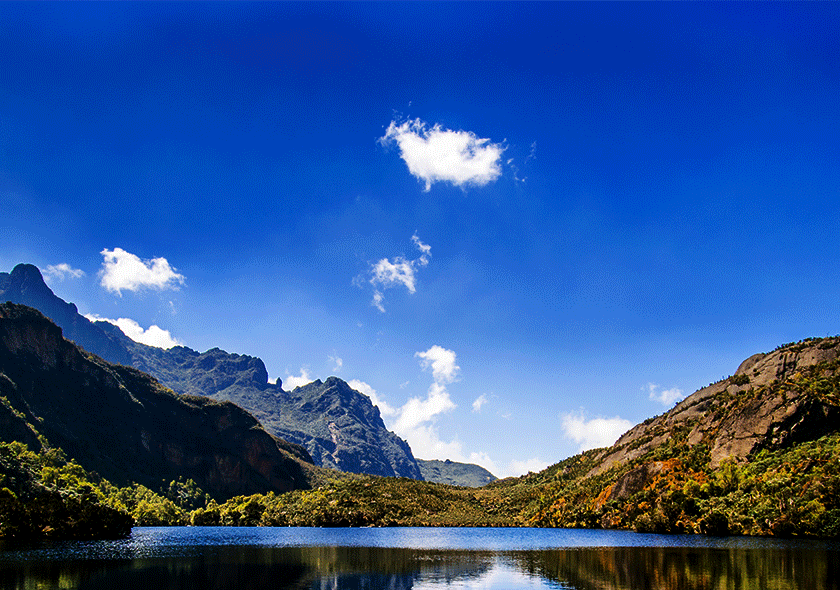
Rwenzori Mountains National Park
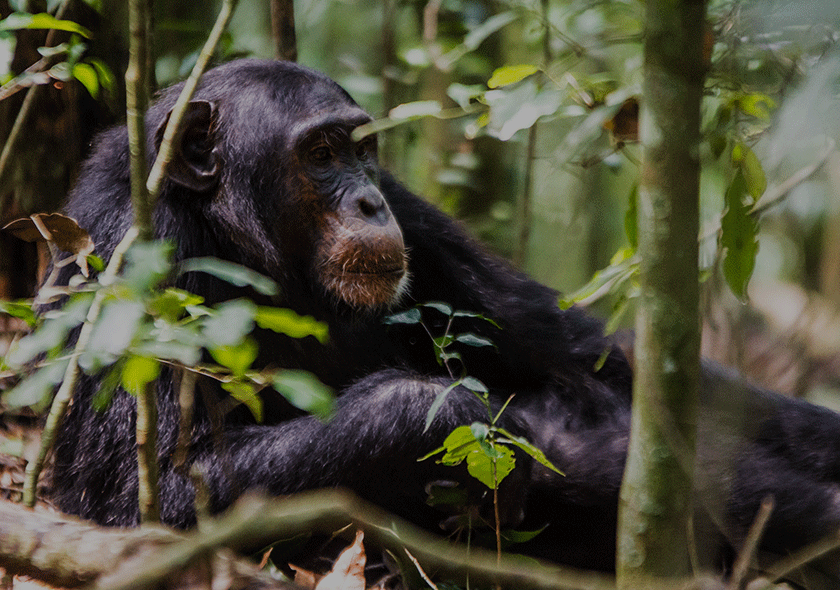
Kibale Forest National Park
Africa
Quick booking process
(+256)755446166
